
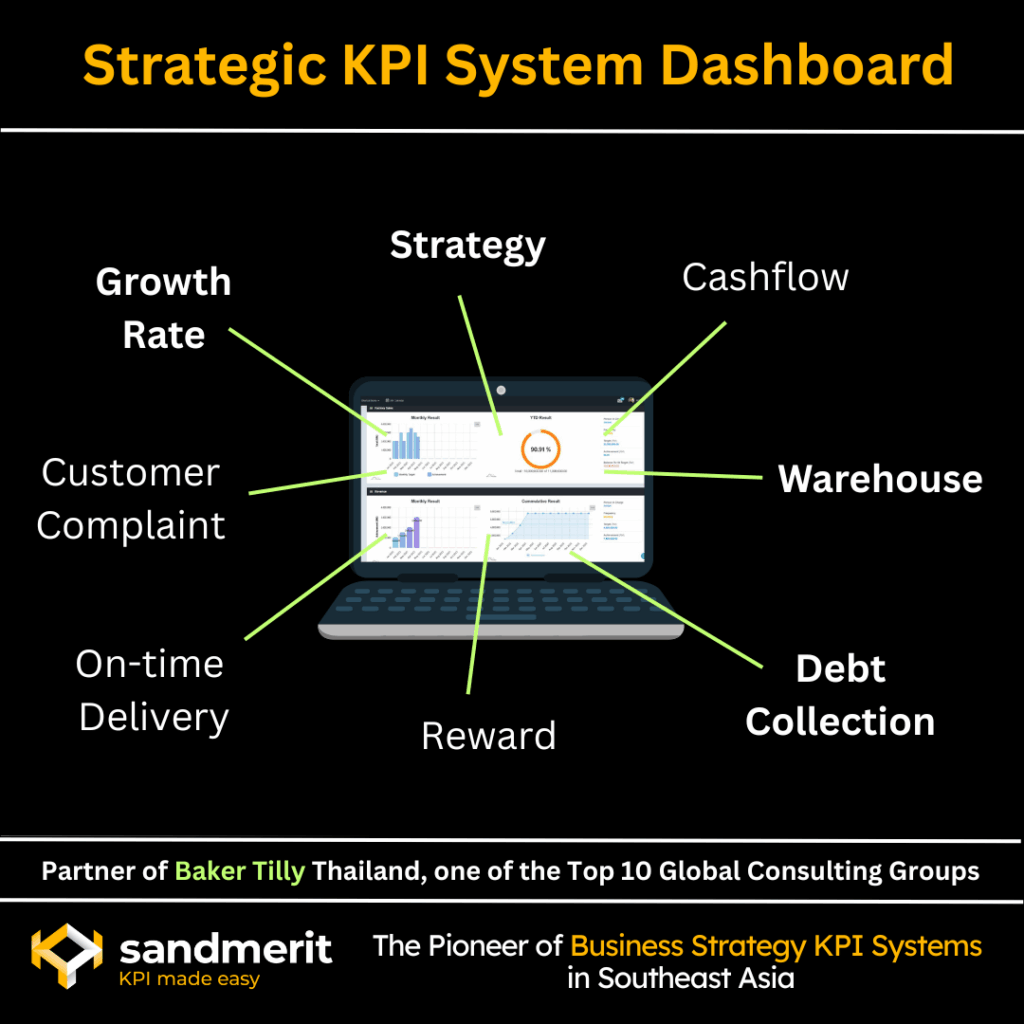
In today’s competitive market, the biggest challenge is no longer only about sales or marketing. It is about execution. Many companies have good products, strong demand, and capable leaders, yet they still struggle to grow consistently. The reason is simple: execution depends on people. That is why more CEOs and HR leaders are searching for human resource kpis & scorecard measures that can build accountability, improve performance, and strengthen long-term talent retention.
However, many organizations quickly discover that building HR KPIs is not difficult. Making HR KPIs work is the real challenge.
They design scorecards. They create appraisal forms. They track attendance, training hours, and recruitment timelines. Yet employees still feel unfairly evaluated. Managers still struggle to lead. High performers still leave. Productivity still fluctuates. The company still experiences repeated execution problems.
This is why the real purpose of human resource kpis & scorecard measures is not “measurement.”
The real purpose is “behavior change.”
A successful HR scorecard should shape daily discipline, strengthen leadership habits, and create a fair system where effort is recognized and performance is rewarded.
This is exactly what sandmerit KPI 123 delivers.
Why Human Resource KPIs & Scorecard Measures Often Become “HR Paperwork”
Many HR KPI systems fail because they focus too much on tracking and not enough on execution. In real business environments, a KPI system will fail when:
- KPIs are unclear and difficult to measure
- KPI scoring is subjective and inconsistent
- Employees do not understand how scores are calculated
- Managers only “rate” but do not coach
- Performance reviews happen too late to improve results
- Rewards are not connected fairly to performance
- KPI becomes a burden instead of a motivation tool
When these issues happen, human resource kpis & scorecard measures become a routine reporting process. Employees feel stressed, managers feel annoyed, and HR becomes the “police department” chasing deadlines.
A KPI system should not create frustration. A KPI system should create clarity and motivation.
What Human Resource KPIs & Scorecard Measures Should Achieve in a Modern Company
A complete HR scorecard should support business growth, not just HR operations. Strong human resource kpis & scorecard measures should help leaders achieve the following outcomes:
- Clear expectations for every employee
- Strong accountability from managers and teams
- Fair and transparent performance evaluation
- Higher employee engagement and trust
- Better retention of high performers
- Improved productivity and operational discipline
- Stronger leadership pipeline for long-term growth
If HR KPIs cannot deliver these outcomes, then the scorecard is not solving the real problem.
The Most Important HR KPI Categories That Actually Matter
To design effective human resource kpis & scorecard measures, companies must track what truly drives employee performance and business execution. Below are practical categories that CEOs and HR leaders can use as a reference.
1) Recruitment and Hiring Quality
Hiring should not only be fast. It must be accurate.
- Time to hire
- Cost per hire
- Offer acceptance rate
- New hire retention rate (3 months / 6 months / 12 months)
- New hire performance achievement rate
- Quality of hire score (KPI achievement after probation)
A company with strong hiring quality builds long-term stability and reduces training waste.
2) Retention and Workforce Stability
Turnover is expensive. More importantly, turnover destroys execution.
- Voluntary turnover rate
- High performer retention rate
- Turnover rate by department
- Exit interview root cause trends
- Replacement cost impact
- Employee tenure distribution
If one department has high turnover, the problem is usually leadership, not HR.
3) Performance Management Execution
Many companies have appraisal systems, but do not have performance systems.
- KPI clarity rate (employees with clear measurable KPIs)
- KPI alignment rate (individual KPIs aligned to department goals)
- KPI review completion rate
- KPI review timeliness rate
- Performance improvement plan completion rate
- KPI reporting accuracy rate
This category ensures performance management is executed consistently, not only discussed.
4) Employee Engagement and Culture Strength
Engagement is not a “soft topic.” Engagement drives productivity.
- Employee engagement score
- Survey participation rate
- Recognition frequency (per employee per month)
- Internal conflict and grievance trend
- Employee satisfaction with fairness and transparency
- Manager communication effectiveness score
Companies with strong engagement have better teamwork and stronger execution discipline.
5) Learning and Capability Development
Training is only valuable when it improves performance.
- Training completion rate
- Training effectiveness score (performance improvement after training)
- Internal promotion rate
- Leadership readiness index
- Skills gap closure rate
- Coaching frequency by managers
Capability development ensures the organization grows stronger every year.
6) Reward Fairness and Transparency
This is the most powerful driver of retention and motivation.
Employees do not reject KPI because KPI exists.
Employees reject KPI when KPI feels unfair.
- Performance-to-reward correlation score
- Reward transparency understanding rate
- Fairness satisfaction score (survey-based)
- High performer recognition rate
- KPI scoring consistency across departments
When fairness is strong, employees trust the system and stay long term.
Why HR Scorecards Must Be Linked to Business Strategy
One major mistake companies make is treating human resource kpis & scorecard measures as an HR project.
In reality, HR KPIs must support business strategy. For example:
- If the business strategy is growth, HR KPIs must support hiring capability and leadership development.
- If the business strategy is profitability, HR KPIs must support productivity discipline and cost efficiency.
- If the business strategy is customer excellence, HR KPIs must support service mindset and response quality.
Without strategy alignment, HR KPIs become random indicators that do not drive meaningful results.
This is why sandmerit positions KPI as Business Strategy KPI Solutions.
sandmerit KPI 123: The System That Makes HR KPIs Work in Real Life
sandmerit KPI 123 is not just KPI software. It is a complete implementation system designed to ensure adoption, fairness, and execution discipline.
Stage 1: CEO 1-to-1 Vision and Strategy Coaching
Performance management starts from leadership. In Stage 1, Wilson works directly with CEOs to clarify:
- Vision and strategic priorities
- Corporate KPIs that drive business outcomes
- Reward philosophy and fairness principles
- The right expectations for departments and teams
This stage ensures HR KPIs support real business direction, not isolated HR reporting.
Stage 2: Team Alignment and KPI Framework Workshop
Many KPI projects fail because employees resist KPI. sandmerit solves this by building buy-in through engaging workshops that help employees understand:
- Why KPI matters
- How KPI should be structured
- How KPI links to productivity and profitability
- How KPI scores are calculated objectively
- How rewards are tied to KPI achievement
This stage strengthens teamwork and creates acceptance across all levels.
Stage 3: KPI System Automation
After alignment is achieved, sandmerit automates KPI tracking, reporting, and performance score calculations. This reduces manual work, increases transparency, and ensures consistency.
How sandmerit KPI 123 Is Different from Other Providers
Most providers in the market fall into two categories:
Software-only providers offer platforms, but KPI design and adoption are left to the client. Many companies fail due to lack of implementation guidance.
Training-only providers teach KPI concepts, but without automation, execution becomes manual and inconsistent.
sandmerit integrates both.
sandmerit delivers:
- Hands-on KPI consulting
- Team alignment workshops
- A proven 3-stage KPI methodology
- KPI automation system for long-term sustainability
This integrated approach is why sandmerit is widely accepted by CEOs, managers, and employees.
Wilson Ten: The KPI King Behind sandmerit
sandmerit is founded by Wilson Ten, widely known as Malaysia’s KPI King.
Wilson has more than 22 years of hands-on experience focusing exclusively on KPI and performance management. He has guided KPI implementation for SMEs, multinational corporations, and public-listed companies.
He is also the Chairman of the Professional Committee of International KPI Standards, helping to establish professional KPI standards and raise performance management practices across the region.
Wilson’s strength is not theory. His strength is execution. He works closely with leadership teams to ensure KPI is implemented successfully and becomes part of company culture.
Conclusion: Human Resource KPIs & Scorecard Measures Must Create Results, Not Reports
If you are searching for human resource kpis & scorecard measures, the goal is not to create more HR reports. The goal is to build a fair and transparent system that strengthens accountability, improves productivity, and retains high performers.
That is exactly what sandmerit KPI 123 delivers.
With sandmerit, HR KPIs become more than measurements. They become a business strategy execution system that supports sustainable growth—helping employees achieve happiness and helping bosses achieve peace of mind.
Hashtags
#HumanResourceKPIs #ScorecardMeasures #PerformanceManagementSystem #KPI #Productivity #sandmerit #BusinessStrategy #HRKPI #EmployeeEngagement #TalentRetention #PerformanceCulture #WilsonTen #KPIKing