
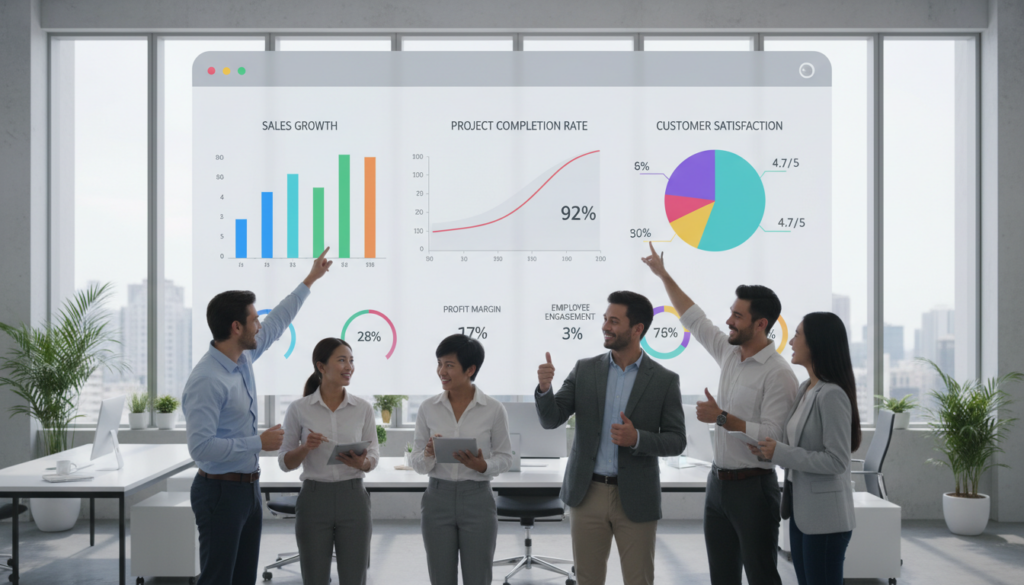
Did you know organizations with clear performance metrics report productivity gains of over 30%? In Malaysia’s competitive landscape, this data-driven edge is no longer optional.
Turning raw numbers into actionable insights is the key to modern workforce management. A robust framework for tracking progress transforms how teams operate every day.
We provide this ultimate guide to help organizations in Malaysia optimize their strategies. Our focus is on proven methods that unlock sustainable growth and excellence.
By implementing the right system, leaders can pinpoint inefficiencies and capitalize on opportunities. This ensures every team member contributes effectively to the broader company vision.
Key Takeaways
- A well-defined framework for metrics is the foundation for long-term organizational excellence.
- Modern companies use specific KPIs to transform data into daily, actionable insights.
- Tracking the right indicators allows managers to make informed, impactful decisions.
- Performance metrics ensure all efforts align with the broader company vision and goals.
- Identifying hidden inefficiencies creates opportunities for rapid business expansion.
- Proven strategies foster a culture of accountability and high achievement.
- Data-driven management practices directly impact both the bottom line and team satisfaction.
Introduction: Unlocking the Power of Staff KPI
In today’s data-centric business world, relying on intuition alone is a significant risk for any organization. We must move from guesswork to informed decision-making.
As Dr. William Edwards Deming stated, “Without data, you’re just another person with an opinion.” This truth underscores the necessity of a solid measurement framework.
The Importance of KPIs in Modern Business
Performance metrics translate high-level strategy into actionable numbers. They show your team where to focus its energy.
The high demand for this expertise is clear. Programs like the AIHR People Analytics Certificate, with a 4.64 rating, prove companies prioritize data-driven management.
Not all numbers are created equal. The real value comes from focusing on strategic indicators that drive meaningful results.
| Common Business Metric | Strategic KPI | Primary Benefit |
|---|---|---|
| Number of tasks completed | Project completion rate vs. quality targets | Measures both efficiency and output quality |
| Total training hours | Improvement in post-training performance scores | Links learning directly to productivity gains |
| General customer feedback | Net Promoter Score (NPS) trend over time | Tracks loyalty and predicts business growth |
| Employee attendance | Engagement score correlation with team results | Connects morale to tangible performance outcomes |
How Our Ultimate Guide Helps Drive Success
Our ultimate guide is a concise, 14-minute read designed for professionals. It helps you define what good performance looks like for your specific organization.
We explain how to use key performance metrics to support broader company strategy. This ensures every employee contributes to core business goals.
By understanding the right indicators, managers can align individual efforts with the company mission. This improves employee satisfaction and customer service quality.
You will learn to track progress effectively and turn data into a roadmap for sustained success.
Understanding Key Performance Indicators in HR
Human Resources holds a unique position to translate company strategy into measurable employee actions. This is where strategic key performance indicators become essential.
Defining KPIs and Their Role in Employee Performance
We define HR KPIs as strategic metrics. They assess how the department supports broader business goals. Using frameworks like the Balanced Scorecard links individual efforts to high-level outcomes.
This creates a direct line from an employee’s daily tasks to the organization’s vision. It turns abstract strategy into clear, actionable targets for everyone.
Benefits for Organizational Growth and Productivity
Tracking the right performance indicators boosts productivity. Teams understand their specific goals and how their work creates value.
Managers can then track progress effectively. They ensure all department efforts remain focused on key results.
These metrics also help improve employee satisfaction. By identifying causes of dissatisfaction, targeted development programs can be launched. This proactive approach transforms how a company manages its human capital for sustained success.
Implementing Proven staff kpi Techniques
Real-world success stories provide the blueprint for turning data into decisive action. We move from planning to execution with methods that deliver measurable improvements.
Best Practices for Measuring and Tracking Performance
Effective tracking looks forward, not just backward. Leading indicators predict future success, while lagging ones measure past results.
Managers should monitor progress toward quarterly targets. This ensures every team member meets their development goals.
Our guide shows how to track essential employee experience metrics. This creates a complete view of productivity and health.
| Tracking Focus | Leading Indicator Example | Primary Outcome |
|---|---|---|
| Recruitment Quality | 90-day quit rate | Identifies hiring process flaws |
| Manager Effectiveness | Team engagement scores | Predicts retention and output |
| Training Value | Skill application rate post-course | Measures real-world impact |
| Strategic Alignment | Project milestones vs. company objectives | Ensures efforts support core goals |
Real-World Case Studies of Successful Implementation
A U.S. shipbuilding company boosted its top performers from 50% to 70%. They achieved this by focusing on manager quality.
This focus built a culture of accountability. It improved employee satisfaction and cut voluntary turnover.
The 90-day quit rate is a critical HR metric. Tracking it helps the department ensure the right people are hired and retained.
Using data to adjust strategy in real time keeps organizations competitive. These techniques measure the true value of every training dollar spent.
Setting Clear and Measurable KPI Targets
Measurable targets transform ambition into a concrete roadmap for daily action. Without them, even the best strategy remains a vague idea. We establish precise goals to guide every effort toward meaningful results.
This process begins with a proven methodology. It turns broad objectives into actionable steps for the entire team.
Applying the SMART Framework for Goal Setting
The SMART framework creates targets that are Specific, Measurable, Attainable, Relevant, and Time-bound. This structure ensures every goal is clear and trackable. For instance, a target for internal promotion rates becomes a precise metric.
We link these individual goals directly to the company’s broader strategy. Tools like the Balanced Job Scorecard connect each role to measurable outcomes. This creates management discipline and strategic alignment across the department.
Tracking these targets over time allows teams to monitor their progress. Managers can then make timely adjustments to their strategy. This focus on relevant performance indicators avoids the trap of tracking too many useless metrics.
Clear targets significantly improve employee satisfaction. They provide a sense of purpose and direction for every member of the organization. Our approach helps you evaluate the quality of your metrics to ensure they are actionable.
By focusing efforts this way, companies foster a culture of high performance and accountability. This alignment is the direct path to sustained business success.
Aligning KPIs with Organizational Goals and Employee Training
A PwC survey of over 10,000 respondents reveals that top-tier training programs define a great workplace. This data shows a direct link between development initiatives and employee priorities.
We explore how to connect these efforts to your core business strategy. The goal is to turn learning into a driver for measurable results.
Strategies to Enhance Training and Reduce Turnover
Over 10,000 professionals in the PwC survey ranked excellent training as a top priority. This highlights its role in employee satisfaction.
Using frameworks like the 70-20-10 Employee Development Plan Template is effective. It helps organizations bridge specific skill gaps with targeted programs.
Aligning training metrics with company goals shows a real investment in growth. This demonstrated commitment is a powerful tool to reduce turnover.
| Training KPI Focus | Measurement Method | Primary Business Impact |
|---|---|---|
| Skill Application Rate | Post-training performance evaluation | Directly links learning to improved productivity |
| Program ROI | Cost vs. output quality gains | Measures the financial value of development spend |
| Engagement Correlation | Survey scores before and after training | Predicts long-term retention and team success |
Connecting Performance Metrics to Company Objectives
Every training effort must contribute to the broader business strategy. We show how to track program effectiveness through clear performance indicators.
Managers can measure the return on investment by monitoring gains in output and quality. This data also identifies which teams need additional support.
This approach allows for efficient allocation of resources and development time. It builds a culture of continuous learning where every employee sees how their growth fuels the organization‘s goals.
Leveraging Data-Driven Insights for HR Decision-Making
Data-driven insights are revolutionizing how companies allocate resources and plan for future talent needs. Modern HR dashboards centralize critical metrics, providing a clear view of workforce health and progress.
This visual intelligence allows managers to move beyond guesswork. They can make informed decisions about policies and strategy with confidence.
Utilizing Analytics and Benchmarking Tools
Analytics platforms transform raw numbers into actionable intelligence. They show which department excels and where support is needed.
Benchmarking is equally powerful. Comparing your performance indicators against industry standards reveals gaps and opportunities. This process helps organizations set realistic, competitive goals for sustainable growth.
Impact on Business Strategy and Employee Development
These insights directly shape your core business strategy. You can track how every initiative aligns with overarching company objectives.
For individual development, data enables personalized plans. Managers identify specific skills each employee needs to thrive.
This focus on tailored growth boosts both productivity and employee morale. Predictive analytics also forecast future talent requirements, ensuring the organization stays agile.
Ultimately, this approach turns information into a strategic asset. It drives precise results and long-term success for the entire team.
Enhancing Customer Service and Internal Management through KPIs
Gallup’s latest research uncovers a staggering $2 trillion productivity drain linked directly to disengaged workers. This highlights the critical need to connect internal culture with external customer outcomes.
Only 31% of U.S. employees reported feeling actively engaged in 2025. This stagnant figure shows a widespread morale challenge. The right performance indicators help managers identify and address these issues early.
Measuring Customer Satisfaction and Employee Engagement
There is a direct link between internal culture and service quality. Measuring customer satisfaction scores allows companies to improve relationships.
Linking employee engagement metrics to service outcomes proves this impact. Our guide shows how to track these interconnected scores effectively.
| Metric Focus | Primary KPI Example | Internal Impact | Customer Outcome |
|---|---|---|---|
| Employee Morale | Team engagement score | Predicts retention & effort | Higher service consistency |
| Service Quality | Net Promoter Score (NPS) | Identifies training needs | Builds loyalty & referrals |
| Manager Support | Feedback scores per leader | Ensures effective coaching | Improves resolution rates |
Focusing on these indicators creates a positive work environment. It attracts and retains top talent. This cycle drives better business results and long-term success.
Utilizing Technology to Monitor and Improve KPI Performance
AI-powered tools are redefining how organizations predict success and prevent problems before they occur. This shift moves management from reactive reviews to proactive guidance.
Real-Time Data and Innovative Tracking Solutions
Modern software provides immediate feedback on performance indicators. It surfaces leading signals that predict future results.
These dashboards visualize progress for every team. This makes it easy for each department to see its contribution.
Technology simplifies the tracking process. It cuts manual reporting time and boosts data accuracy.
| Solution Type | Primary Function | Strategic Benefit |
|---|---|---|
| AI Analytics Platforms | Identify predictive employee behaviors | Enables proactive coaching and retention efforts |
| Real-Time Dashboards | Visualize live performance metrics | Keeps all efforts aligned with current goals |
| Integrated HR Software | Connect training data with output quality | Measures the true ROI of development programs |
This approach improves decision quality. It also helps managers pinpoint specific skill gaps for targeted training.
Leveraging these tools keeps your business innovative. It drives higher productivity and employee satisfaction toward your core strategy.
Get in Touch: Reach Out for More Information
Taking the next step in optimizing your organization’s performance is just a message away. We provide expert guidance to turn data into decisive action for your business.
Our team is ready to help you implement the right performance indicators. This drives success and improves productivity across your company.
Please WhatsApp to +6910-3156508 for more information
Contact us to learn how to tailor metrics to your specific needs. We ensure your strategy is both effective and relevant for long-term growth.
We offer personalized guidance on how to track progress and achieve goals. This helps build a high-performance culture in your organization.
| Common Challenge | Our Strategic Support | Primary Business Outcome |
|---|---|---|
| Defining relevant metrics | Custom KPI framework design | Clear alignment with company objectives |
| Low employee satisfaction | Data-driven management action plans | Reduced turnover and higher morale |
| Ineffective training programs | ROI-focused development strategies | Improved skill application and results |
| Poor tracking of team progress | Real-time dashboard implementation | Enhanced decision quality and agility |
Our experts focus on improving workforce quality and internal processes. Reach out today to start transforming your business for sustained success.
Conclusion
Your organization’s future success hinges on the framework you build today to monitor progress and performance. We have shown how key performance indicators form the essential backbone for achieving sustainable business growth.
By applying the strategies discussed, you can effectively track employee efforts, reduce turnover, and enhance service quality. Aligning individual goals with company objectives ensures every team member contributes to the broader strategy.
Our guide provided the tools to set measurable targets and leverage data for better decisions. Continuous refinement of your metrics is the key to long-term organizational development.
Remember, the right indicators measure past results and predict future innovation. We hope this empowers you to lead with confidence, using data to foster a culture of accountability and high productivity.
FAQ
What exactly are Key Performance Indicators for employees?
Key Performance Indicators are measurable values that show how effectively an individual or team is achieving critical business objectives. In HR, they translate company goals into clear, trackable metrics for productivity, quality, and development, providing a factual basis for evaluating progress and success.
What are some proven techniques for implementing performance metrics?
Successful implementation starts with clear communication and training on new systems. Best practices include using the SMART framework for goal setting, regularly reviewing data in one-on-one meetings, and starting with a pilot program in one department. Real-world case studies, like those from Google and Salesforce, show that linking these metrics to development plans boosts adoption.
How do we set effective and fair performance targets?
We recommend applying the SMART criteria—ensuring all targets are Specific, Measurable, Achievable, Relevant, and Time-bound. This framework creates clarity, reduces ambiguity, and aligns individual efforts with organizational strategy, making goals fair and motivating rather than arbitrary.
How can we align employee metrics with our broader company goals?
Alignment requires a clear cascade of objectives from the organizational level down to each team and individual. Strategies include co-creating goals with employees, linking training programs directly to required competencies, and using performance data to identify skill gaps. This connection ensures everyone’s work directly contributes to the company’s vision and can help reduce unwanted turnover.
What role does technology play in managing performance indicators?
Modern technology is crucial. Platforms like BambooHR and Lattice provide real-time dashboards, automate feedback collection, and offer advanced analytics. These tools move tracking beyond spreadsheets, enabling proactive management, personalized development insights, and data-driven decision-making that positively impacts overall business strategy.