
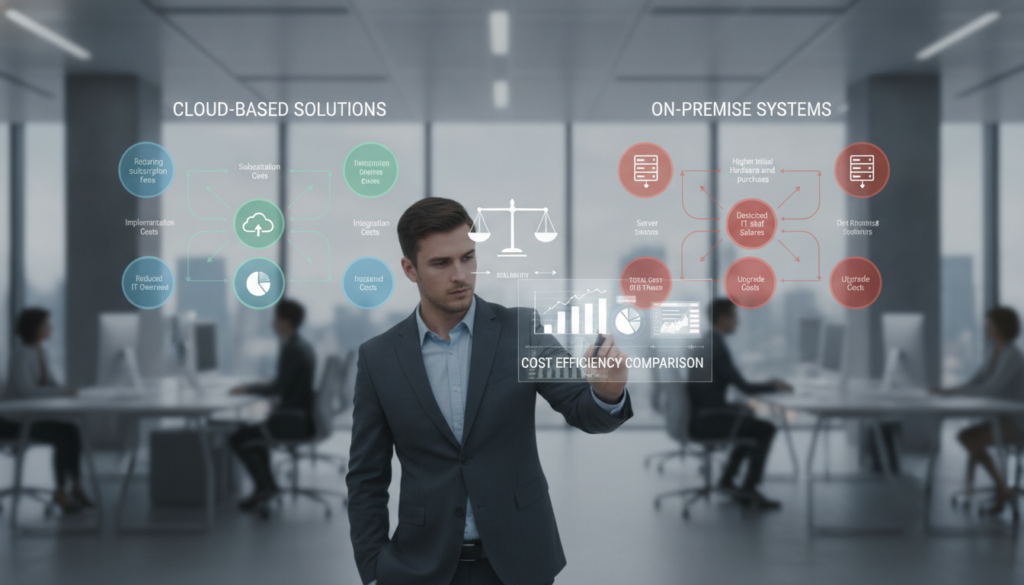
I often see HR leaders in Malaysia struggle with choosing the right digital infrastructure for their teams. Deciding between modern web-based tools and traditional local servers requires a deep look at your long-term budget and operational goals. Making the right choice is vital for your company’s future success.
In this guide, I will break down the financial and operational factors that matter most to local businesses. By analyzing these deployment models, I aim to help you navigate the complexities of modern software adoption. sandmerit offers a streamlined approach to help you achieve your goals without unnecessary financial strain.
Key Takeaways
- Understand the primary financial differences between web-hosted and local server setups.
- Learn how to evaluate long-term value beyond the initial price tag.
- Discover how sandmerit simplifies your HR processes for better efficiency.
- Identify the specific needs of the Malaysian market when selecting new technology.
- Gain a strategic roadmap to guide your digital transformation journey.
Understanding the Landscape of Performance Management Systems in Malaysia
In Malaysia, the push for HR digital transformation is reshaping how we view employee performance. As I observe the local market, it is clear that businesses are moving away from outdated, manual tracking methods. This shift is essential for companies aiming to remain competitive in our increasingly globalized economy.
The backbone of our economy consists of small and medium enterprises, which represent 97.2% of all companies in Malaysia. These firms contribute 37.4% of the nation’s GDP, making their operational efficiency a matter of national importance. Adopting reliable Malaysia HR software is no longer a luxury; it is a strategic necessity for these organizations.
“Digital transformation is not just about technology; it is about rethinking how we empower our people to achieve their best work every single day.”
Many local leaders are realizing that manual spreadsheets cannot keep pace with modern growth demands. By transitioning to automated systems, companies can better align individual goals with broader corporate objectives. This transition marks a significant milestone in the ongoing HR digital transformation journey for many local firms.
When selecting the right Malaysia HR software, decision-makers must weigh several critical factors. The following table highlights the primary differences between traditional manual methods and modern digital systems to help you visualize the impact on your business.
| Feature | Manual Processes | Digital PMS |
|---|---|---|
| Data Accuracy | High Error Risk | Automated Precision |
| Accessibility | Physical Files Only | Cloud-Based Access |
| Reporting Speed | Days or Weeks | Real-Time Insights |
| Scalability | Very Limited | Highly Scalable |
Ultimately, the choice between cloud and on-premise solutions is a critical strategic decision. I believe that by understanding this landscape, HR leaders can better position their organizations for long-term success. Investing in the right infrastructure today will undoubtedly pay dividends in productivity and employee engagement tomorrow.
Analyzing Performance Management System Implementation Costs: Cloud vs On-Premise
When evaluating performance management system implementation costs, the debate between cloud vs on-premise solutions often takes center stage for Malaysian enterprises. I believe that understanding these financial structures is the first step toward making a sound investment for your HR department.
On-premise systems typically require a significant upfront capital expenditure. This includes purchasing server hardware, software licenses, and the initial setup fees for your local data center. While this model offers total control, it also places the burden of maintenance and security squarely on your internal IT team.
In contrast, cloud-based solutions operate on a subscription model, which shifts the financial burden from capital expenditure to predictable operational expenses. This approach is often more attractive for growing businesses in Malaysia that prefer to avoid large, one-time payments. The following factors highlight why organizations choose one model over the other:
- Scalability: Cloud systems allow you to add users easily as your team grows.
- Maintenance: On-premise requires dedicated staff for updates and patches.
- Predictability: Subscription fees provide a clear monthly or annual budget forecast.
- Accessibility: Cloud platforms offer remote access, which is vital for modern, flexible work environments.
Ultimately, the decision regarding performance management system implementation costs depends on your company’s long-term growth trajectory. Whether you prioritize the autonomy of an on-premise setup or the agility of cloud vs on-premise software, aligning your choice with your financial goals is essential for success.
The Financial Breakdown of On-Premise PMS Deployment
Many Malaysian enterprises prioritize total data control, which often leads them toward the path of on-premise PMS deployment. While this approach offers a sense of autonomy, it requires a significant upfront financial commitment. I find that businesses must carefully weigh these initial investments against their long-term operational goals.
Hardware Infrastructure and Server Maintenance Requirements
Building a robust foundation for your software starts with physical hardware. You must account for the purchase of servers, networking equipment, and dedicated cooling systems to ensure on-premise security. These IT infrastructure costs often include:
- Initial procurement of high-performance server hardware.
- Ongoing electricity and climate control expenses for the server room.
- Regular hardware upgrades to prevent system obsolescence.
Licensing Fees and Perpetual Software Costs
Unlike subscription-based models, on-premise solutions typically involve a large, one-time capital expenditure for perpetual licenses. This payment grants you the right to use the software indefinitely, but it does not cover future updates. You should expect to pay additional fees for major version upgrades or specialized support packages to keep your system running smoothly.
Internal IT Resource Allocation and Personnel Expenses
The true cost of an on-premise system extends to the human capital required to manage it. You will need a dedicated IT team to handle installation, routine maintenance, and manual security patching. Without a skilled team, your PMS deployment risks operational downtime and potential vulnerabilities.
Managing IT infrastructure costs effectively requires balancing these personnel expenses with the need for high-level on-premise security. Many organizations find that the necessity of constant manual oversight creates a hidden, recurring burden on their internal resources. Ultimately, you must decide if the control gained justifies the continuous investment in specialized staff and hardware upkeep.
The Cost Structure of Cloud-Based PMS Solutions
When I evaluate the financial landscape of HR technology, the shift toward cloud-based platforms stands out as a transformative trend for local enterprises. Many organizations are moving away from heavy upfront investments to embrace the flexibility of modern SaaS HR solutions. This transition allows businesses to prioritize agility while maintaining a clear view of their long-term financial commitments.
Subscription Models and Recurring Operational Expenditures
Cloud-based platforms typically utilize a per-employee subscription model. This approach is highly beneficial because it shifts the financial burden from capital expenditure to operational expenditure. I find that this creates a predictable budgeting model, which is essential for growing businesses in Malaysia.
By paying only for what you need, you avoid the risk of over-provisioning resources. This model ensures that your PMS deployment remains cost-effective regardless of your current company size. It effectively turns a large, one-time cost into a manageable monthly or annual fee.
Scalability Benefits and Reduced Infrastructure Overhead
One of the primary cloud HCM benefits is the ability to scale your system alongside your workforce. As your headcount grows, you can simply adjust your subscription tier without needing to purchase new hardware or software licenses. This inherent flexibility is a major advantage for agile organizations.
Furthermore, you no longer need to worry about maintaining physical servers or managing complex on-premise infrastructure. By offloading these technical requirements to the vendor, your internal IT team can focus on more strategic initiatives. This reduction in infrastructure overhead is a key driver for many companies choosing SaaS HR solutions today.
Security and Data Hosting Considerations in the Malaysian Context
Security remains a top priority for any PMS deployment, especially when handling sensitive employee data. Leading cloud providers invest heavily in robust security protocols and regular audits to protect your information. These vendors often provide higher levels of protection than what a typical small or medium-sized business could maintain internally.
In the Malaysian context, it is vital to ensure that your provider understands local data sovereignty requirements. Many modern platforms offer localized hosting options that align with the Personal Data Protection Act (PDPA). By leveraging these cloud HCM benefits, you gain peace of mind knowing that your data is managed by experts who prioritize compliance and safety.
Comparing Total Cost of Ownership Over Five Years
I find that many Malaysian business owners overlook the long-term financial impact of their software choices. When you evaluate a new system, it is vital to look beyond the initial purchase price. A comprehensive total cost of ownership analysis reveals the true financial commitment required over a five-year period.
Initial Capital Expenditure Versus Long-Term Operational Costs
On-premise solutions often require a significant upfront investment in hardware and server infrastructure. While this might seem like a one-time expense, these IT infrastructure costs tend to compound as hardware ages. You must account for inevitable server replacements and performance degradation within a five-year cycle.
In contrast, a cloud vs on-premise comparison highlights the stability of subscription models. Cloud platforms shift your spending from unpredictable capital expenditures to consistent operational costs. This predictability allows for better financial planning and resource allocation across your organization.
Hidden Costs Associated with System Upgrades and Patching
Many organizations underestimate the labor required to maintain on-premise software. You are responsible for manual patching, security updates, and system upgrades to keep the environment secure. These tasks consume valuable time from your internal IT team, which represents a significant hidden cost.
When you choose a cloud-based model, the provider manages these updates automatically. This removes the burden of manual maintenance from your staff, allowing them to focus on strategic initiatives rather than routine technical fixes. By reducing the complexity of your IT infrastructure costs, you ensure that your business remains agile and competitive in the Malaysian market.
Ultimately, the total cost of ownership for on-premise systems often grows as the software ages. Choosing the right cloud vs on-premise strategy today will protect your budget from the rising expenses associated with legacy maintenance and hardware refreshes.
Key Factors Influencing Implementation Costs for Malaysian Businesses
When I evaluate the total budget for Malaysia HR software, I often find that the initial license fee is just the tip of the iceberg. Many organizations focus heavily on the upfront cost while neglecting the operational complexities that follow. To build a realistic budget, I believe leaders must account for the hidden variables that dictate the success of a digital transformation project.
Customization Requirements and Integration with Existing HRIS
Most enterprises already rely on a core system to manage employee records. Achieving seamless HRIS integration is rarely a plug-and-play experience. I have seen many projects stall because the new performance management tool failed to communicate effectively with legacy databases.
Customization is often necessary to align the software with specific local workflows or unique organizational structures. While these adjustments improve user adoption, they also increase the total cost of ownership. You must weigh the benefits of a bespoke setup against the long-term maintenance burden of custom code.
Training and Change Management Expenses
Technology is only as effective as the people using it. I frequently advise my clients that change management is the most significant, yet often underfunded, component of any implementation. If your team does not understand how to use the new platform, your investment will likely yield poor results.
“The greatest barrier to digital transformation is not the technology itself, but the human resistance to changing established workflows.”
Investing in comprehensive training programs ensures that managers and employees feel confident with the new system. This includes workshops, digital guides, and ongoing support sessions. Neglecting this phase often leads to low engagement and wasted software potential.
Data Migration and Legacy System Decommissioning
Moving historical performance data from an old system to a modern cloud platform is a complex task. This process requires careful cleaning and mapping to ensure data integrity. Furthermore, you must account for the costs associated with running parallel systems during the transition period.
Once the new system is live, you must also plan for the decommissioning of legacy software. This involves archiving old records to meet compliance standards and terminating redundant service contracts. Proper planning here prevents unexpected expenses and ensures a smooth transition for your HR department.
| Cost Category | Complexity Level | Budget Impact |
|---|---|---|
| HRIS Integration | High | Significant |
| Staff Training | Medium | Moderate |
| Data Migration | High | Significant |
| Legacy Decommissioning | Low | Minor |
Evaluating sandmerit Performance Management System as a Strategic Choice
I believe that choosing the right software is the foundation of effective talent management in today’s competitive market. As businesses in Malaysia navigate complex growth phases, adopting robust SaaS HR solutions becomes a vital step toward operational excellence.
Core Features and Value Proposition for Local Enterprises
Sandmerit offers a tailored approach that addresses the unique cultural and operational needs of local firms. By focusing on workforce development, the system empowers managers to track KPIs and provide constructive feedback effectively.
The platform simplifies complex appraisal cycles, ensuring that talent management remains a continuous process rather than a yearly chore. These SaaS HR solutions provide the clarity needed to align individual employee goals with broader company objectives.
Why Cloud-Based Flexibility Matters for Malaysian SMEs
For many small and medium enterprises, the ability to scale resources is essential for survival. Understanding the differences between cloud-based and on-premise models helps leaders make informed decisions that support long-term agility.
Cloud-based systems allow teams to remain productive regardless of their physical location. This flexibility is a major advantage for companies that need to adapt quickly to a fluctuating market without heavy infrastructure investments.
| Feature | Cloud-Based Advantage | Strategic Impact |
|---|---|---|
| Deployment | Rapid Implementation | Faster Time-to-Value |
| Maintenance | Automated Updates | Reduced IT Burden |
| Accessibility | Anywhere Access | Improved Collaboration |
| Cost Model | Subscription-Based | Predictable Cash Flow |
WhatsApp Us to Learn More About sandmerit Performance Management System at +60193156508
If you are interested in exploring how this solution can benefit your organization, please feel free to contact our team. You can WhatsApp us to learn more about sandmerit Performance Management System at +60193156508 to discuss your specific requirements today.
Regulatory Compliance and Data Sovereignty in Malaysia
When selecting a performance management system, I find that regulatory compliance often becomes the deciding factor for many local businesses. Managing employee data requires a deep understanding of the legal framework to avoid potential liabilities. Whether you choose a cloud-based platform or an internal setup, ensuring that your processes align with national standards is essential for long-term success.
Adhering to the Personal Data Protection Act (PDPA)
In Malaysia, PDPA compliance is a critical legal requirement for any organization handling sensitive employee information. This act dictates how companies collect, process, and store personal data to protect individual privacy rights. I always advise HR leaders to verify that their chosen software vendor provides robust tools for data access control and audit trails.
Failure to meet these standards can lead to significant legal repercussions and damage to your corporate reputation. By prioritizing strict adherence to these regulations, you demonstrate a commitment to both your employees and the law. It is vital to ensure that your system architecture supports these requirements from day one.
Cloud Provider Certifications and Local Data Center Presence
Many organizations often weigh the benefits of on-premise security against the convenience of modern cloud solutions. While on-premise systems offer total control, reputable cloud providers now offer high-level security certifications that often exceed internal capabilities. These providers frequently maintain a local data center presence, which is a major factor in achieving data sovereignty Malaysia standards.
When I evaluate vendors, I look for those that hold internationally recognized certifications like ISO/IEC 27001. These credentials provide peace of mind that your data is handled according to global best practices. Choosing a partner with local infrastructure ensures that your sensitive information remains within the country, satisfying both internal policies and external regulatory demands.
Assessing the Impact of Implementation Costs on ROI
When I evaluate the success of a digital transformation, I always look at the balance between implementation costs and long-term value. It is not enough to simply look at the initial price tag; you must consider the total cost of ownership over the entire lifecycle of the software. By analyzing these figures, I can help you determine if your investment aligns with your broader business objectives in Malaysia.
Measuring Productivity Gains Against System Investment
The true value of a performance management system is measured by the return on investment it delivers through increased efficiency and better talent outcomes. I find that many organizations overlook the link between software adoption and measurable improvements in employee productivity. To calculate a realistic ROI, you should track key performance indicators such as time-to-completion for appraisals and the quality of goal alignment across departments.
Comparing the cost of implementation against these gains allows you to justify the expenditure to your executive leadership. When you demonstrate that the system reduces turnover or improves individual output, the financial case becomes much stronger. Data-driven insights are essential here, as they provide the evidence needed to prove that the system is a strategic asset rather than a sunk cost.
The Role of Automation in Reducing Administrative Burden
One of the most significant cloud HCM benefits is the ability to automate repetitive, manual tasks that often bog down HR departments. By removing the need for manual data entry and spreadsheet tracking, your team can finally focus on high-value workforce development activities. This shift in focus is where the real long-term value of your investment begins to materialize.
Automation ensures that administrative processes are consistent, error-free, and transparent. As you reduce the time spent on logistics, you naturally see a boost in employee productivity because managers spend less time on paperwork and more time on coaching. Leveraging these cloud HCM benefits effectively lowers your total cost of ownership by maximizing the utility of your human capital, ensuring that every ringgit spent contributes to a more agile and responsive organization.
Strategic Decision-Making for HR Leaders
As an HR leader, I find that the most successful HR digital transformation initiatives start with a strategy that looks far beyond the initial purchase. It is essential to view technology not merely as a tool, but as a core component of your company’s long-term roadmap.
Aligning Technology Choices with Organizational Growth Goals
When I evaluate new systems, I prioritize how well they support the broader objectives of the business. Effective HRIS integration is critical here, as it ensures that your new performance management tools communicate seamlessly with existing payroll and talent acquisition platforms.
By choosing a system that scales, you avoid the common trap of outgrowing your software within a few years. You can learn more about these considerations in this cloud vs on-premise HR systems enterprise to help refine your selection process.
Balancing Budget Constraints with Future-Proofing Needs
I understand that budget constraints are a reality for every Malaysian business, yet skimping on essential features can lead to higher costs later. My approach focuses on employee productivity as the primary metric for success, ensuring that the chosen platform saves time rather than creating more administrative work.
Future-proofing your organization requires a commitment to flexible, cloud-based solutions that adapt to changing market demands. By investing in scalable technology today, you empower your team to maintain high levels of employee productivity while preparing for the digital challenges of tomorrow.
Ultimately, strategic HRIS integration serves as the foundation for a more agile workplace. When you align your technology choices with your growth goals, you create a sustainable environment where both the business and its people can thrive.
Conclusion
Selecting the right performance management system requires a deep look at your unique business goals and technical needs. I believe that balancing your budget with long-term operational efficiency remains the most critical step for any Malaysian enterprise.
You must prioritize data sovereignty Malaysia when evaluating where your employee information resides. Protecting sensitive records through strict PDPA compliance builds trust with your staff and keeps your organization safe from legal risks.
My analysis shows that focusing on the total value of your investment leads to better outcomes. You should track the ROI on HR software by measuring how much time your managers save on manual tasks each month.
I invite you to review your current infrastructure and identify gaps that hinder your growth. Making an informed choice today ensures your team stays productive and your business remains competitive in a digital market.
FAQ
How do implementation costs differ between cloud and on-premise Performance Management Systems in Malaysia?
In my professional assessment, the primary difference lies in the financial model used. On-premise systems require a substantial upfront Capital Expenditure (CapEx) to cover hardware infrastructure and perpetual software licenses. Conversely, cloud-based solutions like Sandmerit shift these costs to Operational Expenditure (OpEx), allowing Malaysian SMEs to pay for what they use through a subscription model, which I find much more sustainable for long-term growth.
What are the hidden costs associated with maintaining an on-premise performance management system?
I often warn my clients about the “invisible” expenses of on-premise deployment. These include the recurring costs of server maintenance, electricity for climate-controlled server rooms, and the necessity of employing specialized IT personnel to manage security. Furthermore, I have seen many firms struggle with the financial burden of hardware refreshes and manual system patching, which can lead to costly operational downtime if not managed correctly.
Is a cloud-based PMS compliant with Malaysia’s Personal Data Protection Act (PDPA)?
Yes, modern cloud providers are designed with regulatory compliance in mind. When I evaluate a performance management system, I prioritize vendors that offer local data center presence to ensure data sovereignty. Providers such as sandmerit adhere to rigorous security standards, ensuring that sensitive employee information is handled in full accordance with the Personal Data Protection Act (PDPA).
How does scalability impact the Total Cost of Ownership (TCO) over five years?
I believe scalability is a deciding factor for any agile organization. With an on-premise system, you are often forced to over-provision hardware to prepare for future growth, which inflates the Total Cost of Ownership (TCO) from day one. In contrast, cloud solutions allow me to scale the headcount up or down seamlessly, ensuring that the long-term financial health of the business is not compromised by underutilized resources.
Why should local enterprises consider sandmerit for their HR digital transformation?
I recommend sandmerit because it specifically addresses the needs of the Malaysian business environment. It offers a robust value proposition by combining cloud-based flexibility with features tailored for local performance management. By choosing a local leader like sandmerit, businesses can avoid the complexities of legacy system decommissioning and benefit from a partner that understands the regional market and HRIS integration requirements.
What role does data migration and training play in the overall implementation budget?
These are vital components of the implementation costs that I always include in my strategic planning. Data migration from manual processes to a digital platform requires precision to ensure data integrity. Additionally, I advocate for a strong focus on training and change management; without it, even the most sophisticated automation tools will fail to deliver the expected productivity gains and ROI.
How can HR leaders justify the investment in a new performance management system?
I suggest focusing on the alignment between technology and organizational growth goals. By moving away from manual processes, HR leaders can demonstrate how automation reduces the administrative burden, allowing the team to focus on strategic initiatives. In my experience, measuring these productivity gains against the system investment provides a clear and persuasive case for future-proofing the organization’s HR capabilities.